Aug . 13, 2025 23:25
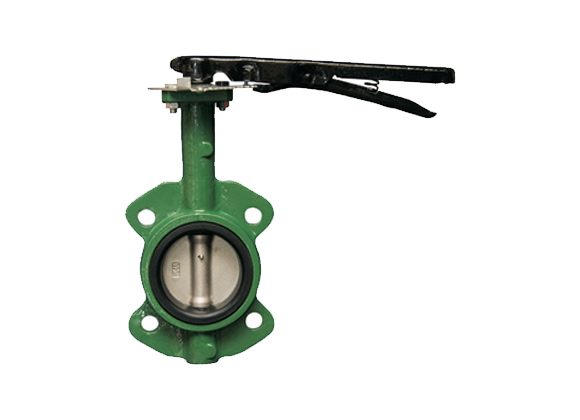
Manual butterfly valves are essential components in fluid control systems, offering a reliable and cost-effective solution for regulating the flow of liquids and gases. This article provides an in-depth analysis of their features, advantages, technical specifications, and applications, while also exploring the industry context and the role of standards in ensuring quality and performance. For more information, visit the product page or learn about the company.
Manual butterfly valves are a type of quarter-turn valve that uses a disc to control flow. Unlike pneumatic or electric actuators, manual operation involves using a lever or gear to rotate the disc, which is positioned within the valve body. This design simplifies the structure, making manual butterfly valves cost-effective and easy to maintain. They are particularly suited for applications where frequent adjustments are not required, offering a balance between simplicity and reliability.
According to the National Institute of Standards and Technology (NIST), the development of standardized components like butterfly valves plays a critical role in ensuring interoperability and safety in industrial systems. NIST's work in metrology and standards development supports the creation of high-quality, consistent products that meet global demands.
Manual butterfly valves are characterized by their simple design, which reduces the likelihood of mechanical failure. The absence of complex actuation systems means fewer components to maintain. Installation is straightforward, with guidelines such as ensuring proper flange alignment and avoiding gasket use between flanges to prevent leaks. This simplicity makes them ideal for cost-sensitive projects where ease of use is a priority.
The materials used in manual butterfly valves are chosen to ensure durability and compatibility with various media. Common materials include:
These materials are selected based on factors such as temperature, pressure, and the type of fluid being controlled. For example, stainless steel is often used in corrosive environments, while EPDM seats are suitable for water and non-polar fluids.
Manual butterfly valves are available in a range of pressure classes, including CLASS 125/150, PN10/16/25, and 5K/10K/16K. This versatility allows them to be used in both low-pressure and high-pressure applications, from municipal water systems to industrial pipelines. The valves are also manufactured in various sizes, with manual wafer butterfly valve DN150 being a common specification for medium to large-scale systems.
| Parameter | Details |
|---|---|
| Actuation Method | Manual (Lever or Gear Operated) |
| Materials | Body: Grey Cast Iron, Ductile Cast Iron, Stainless Steel 304/316, Carbon Steel; Disc: Ductile Cast Iron, Stainless Steel 304/316, Aluminum Bronze; Stem: Stainless Steel 410/416/304/316; Seat: EPDM, BUNA-N, PTFE, Viton, Hypalon, Neoprene, Metal Seated |
| Pressure Ratings | CLASS 125/150, PN10/16/25, 5K/10K/16K |
| Standards Compliance | API 609, BS5155, MSS SP-67/68, EN593 |
| Installation Guidelines | Flange alignment, no gaskets between flanges, bolts tightened after full opening |
Manual butterfly valves are widely used in industries such as water treatment, chemical processing, heating, ventilation, and air conditioning (HVAC), and power generation. Their ability to handle a variety of fluids and pressures makes them suitable for both low-flow and high-flow systems. For example, manual exhaust butterfly valves are commonly used in HVAC systems to control airflow, while manual butterfly valves with limit switches are employed in automated systems requiring precise flow regulation.
The NIST emphasizes the importance of standardized components in ensuring the safety and efficiency of industrial systems. By adhering to standards like API 609 and EN593, manufacturers like Ningjin Thriveon Valve Co., Ltd. (the company behind this product) ensure their valves meet global quality benchmarks.
Ningjin Thriveon Valve Co., Ltd. is a leading manufacturer of manual butterfly valve manufacturers, specializing in the production of high-quality valves for diverse industrial applications. With a focus on innovation and customer satisfaction, the company has established itself as a trusted supplier in the global market. Their expertise in manual butterfly valve manufacturing is reflected in the durability, reliability, and precision of their products.
As a manual butterfly valve manufacturer, Ningjin Thriveon Valve Co., Ltd. adheres to strict quality control measures, ensuring that each valve meets the required standards. Their commitment to excellence is evident in their product range, which includes manual butterfly valves tailored for specific industries and environments.
While manual butterfly valves offer simplicity and cost-effectiveness, they differ from pneumatic actuated butterfly valves in terms of operation and application. Pneumatic actuators use compressed air to control the valve, making them suitable for applications requiring rapid or automated adjustments. In contrast, manual valves rely on physical effort, making them ideal for situations where manual intervention is feasible and preferred.
According to NIST, the choice between manual and automated systems depends on factors such as system complexity, operational requirements, and cost considerations. Manual valves are often favored in low-maintenance applications, while pneumatic systems are preferred in high-demand environments.
Manual butterfly valves are a versatile and reliable solution for fluid control in a wide range of industries. Their simple design, versatile materials, and compliance with international standards make them a preferred choice for many applications. By understanding their features, advantages, and applications, users can make informed decisions about their suitability for specific projects.
For more information about manual butterfly valves and other products offered by Ningjin Thriveon Valve Co., Ltd., visit the product page or explore the company website.
National Institute of Standards and Technology (NIST). (n.d.). Driving Innovation. Retrieved from https://www.nist.gov
Related Products
 Call us on:
+86-311-86935302
+86-311-86935302
Call us on:
+86-311-86935302
+86-311-86935302
 Email Us:
info@thriveonvalve.com
Email Us:
info@thriveonvalve.com South of Huanmadian Village Town, Ningjin County, Xingtai, Hebei Province, China